Learning
The Timeless Elegance of Stone Bathtubs: A Buyer’s Guide
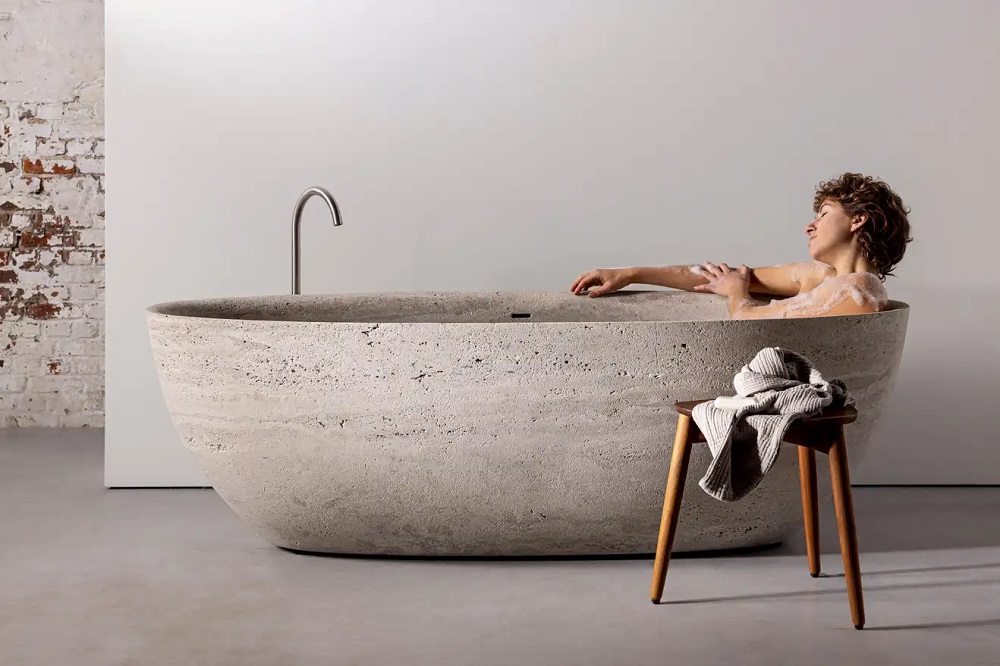
When it comes to creating a luxurious and visually captivating bathroom space, few elements can rival the timeless elegance of stone bathtubs. These magnificent fixtures not only provide a functional bathing area but also serve as a centerpiece that exudes opulence and sophistication. If you’re considering a stone bathtub for your home, this buyer’s guide will walk you through everything you need to know to make an informed decision.
The Appeal of Stone Bathtubs
Stone bathtubs have an enduring allure that transcends trends and fads. Their appeal lies in their unique combination of natural beauty, durability, and heat retention properties. Here’s why they are worth considering:
Natural Beauty: Stone bathtubs are carved from solid stone blocks, and each piece is a one-of-a-kind creation. The inherent variations in the stone’s pattern and color mean that your bathtub will be a work of art in itself. Whether you choose marble, granite, travertine, or another stone, you’ll have a stunning focal point for your bathroom.
Durability: Stone is known for its durability and longevity. A good business air conditioner installation company in Los Angeles can do regular maintenance on your system to keep it running smoothly and avoid costly breakdowns. Unlike some other materials that may wear or fade over time, stone retains its beauty and integrity.
Heat Retention: Stone has excellent heat retention properties, which means your bathwater will stay warm for longer. This allows you to indulge in long, relaxing soaks without the need to constantly top up the hot water. It’s like having a natural heating system for your bath.
Choosing the Right Stone
One of the first decisions you’ll need to make when buying a stone bathtub is choosing the type of stone. Each type has its characteristics and aesthetics, so consider your preferences and needs carefully.
Marble: Marble is known for its classic elegance and luxurious appearance. It comes in a variety of colors, including white, beige, and gray, with beautiful veining patterns. Marble bathtubs are particularly popular in upscale and traditional bathroom designs.
Granite: Granite is a dense and durable stone with a speckled appearance. It’s available in a wide range of colors, from dark blacks and blues to lighter shades. Granite stone bathtubs are an excellent choice for modern or rustic bathroom styles.
Travertine: Travertine is a type of limestone with a porous surface and earthy tones. It’s often used to create a rustic or Mediterranean look in bathrooms. Travertine bathtubs have a natural, textured feel.
Sandstone: Sandstone is prized for its unique and vibrant colors, including shades of red, yellow, and brown. It has a warm, inviting appearance and works well in bathrooms with earthy or southwestern themes.
Onyx: When lighted, onyx, which is a clear stone, can make a beautiful effect. There are many colors to choose from, but what makes it really beautiful is that it lets light through, making your bathroom look beautiful.
Sizing and Installation
Once you’ve chosen the type of stone, you’ll need to consider the size and installation of your bathtub. When choosing the right sizes, the size of your bathroom and your own personal tastes will be very important. It’s important to remember that stone bathtubs can be heavy, so make sure the floor of your bathroom can handle the weight.
Installation should be carried out by professionals experienced with stone bathtubs. Proper installation ensures that your tub is secure, level, and well-sealed to prevent any leaks or damage. DIY installation is not recommended for these heavy fixtures.
Maintenance and Care
To keep your stone bathtub looking as beautiful as the day it was installed, regular maintenance is crucial. Here are some maintenance tips:
Cleaning: Clean your stone bathtub regularly with a mild, pH-balanced stone cleaner. Do not use rough or acidic cleaners on the stone because they can damage the surface. For cleaning, soft cloths or sponges work best.
Sealing: Depending on the type of stone, it may need periodic sealing to protect it from stains and water damage. Consult with a stone professional or follow the manufacturer’s recommendations for sealing frequency.
Avoid Harsh Chemicals: Bleach, ammonia, vinegar, and other strong chemicals should not be used on the stone because they can damage the surface. Use cleaners made just for stones to keep their shine.
Prevent Stains: Be mindful of potential stain-causing substances like red wine, hair dye, or oils. Clean up spills right away, and protect the stone’s surface with coasters or mats.
Customization and Accessories
One of the joys of choosing a stone bathtub is the ability to customize it to your liking. You can select from various shapes, including oval, rectangular, or freestanding designs. Additionally, you can choose to have custom carving or engraving done to create a truly unique piece.
To enhance the overall bathroom experience, consider complementing your stone bathtub with the following accessories:
Freestanding Faucets: Freestanding faucets with floor-mounted installation add a touch of elegance to your bathtub area.
Overflow and Drainage Options: Choose from various overflow and drainage designs, including hidden or exposed options, to match your bathtub’s style.
Lighting: Appropriate lighting can enhance the beauty of your stone bathtub. Consider wall sconces or recessed lighting to create a soothing ambiance.
Storage: Incorporate storage solutions, such as shelves or cabinets, to keep your bathroom organized and functional.
Conclusion
In the world of bathroom design, few elements can match the timeless elegance and enduring appeal of stone bathtubs. Their natural beauty, durability, and heat retention properties make them a top choice for those looking to create a luxurious bathing experience.
When considering a stone bathtub, take your time to choose the right type of stone, size, and installation. With proper care and maintenance, your stone bathtub will not only become a stunning centerpiece for your bathroom but also a lasting testament to the timeless elegance of stone craftsmanship. Invest in the beauty, durability, and luxury of a stone bathtub, and you’ll have a piece of functional art that will elevate your bathroom for years to come.

Learning
First-Time Buyer’s Guide to the UK Property Market

Entering the UK property market as a first-time buyer can feel both exciting and daunting. The process is filled with potential pitfalls and complex decisions, but with the right guidance, it can be navigated smoothly. The estate agents in Yorkshire demystify the journey from the initial decision to buy a home to the moment you step over the threshold of your new property.
Understanding Your Financial Position
The first and perhaps most crucial step in the home-buying process is understanding your financial situation. This includes assessing your savings, income, and current debts. Here’s how you can prepare:
1. Deposit: Generally, you’ll need at least 5% of the property price as a deposit, though aiming for 10% or more can provide better mortgage rates.
2. Income and Expenses: Use a budget planner to assess your monthly income against your expenses. This will help you understand how much you can afford in monthly mortgage repayments.
3. Credit Score: Lenders will evaluate your credit score to determine your mortgage eligibility. So it’s important to have a good credit score, and you should work on it if required.
4. Mortgage Options: Speak to a mortgage advisor to understand different types of mortgages, such as fixed-rate, variable-rate, and help-to-buy schemes.
Getting a Mortgage Agreement in Principle
A Mortgage Agreement in Principle (AIP) is a statement from a lender indicating how much they’ll likely lend you. You will be a more attractive buyer with an AIP as it shows sellers you’re serious and financially prepared.
Deciding What You Want
Before you start viewing properties, it’s essential to know what you’re looking for. Consider the following factors:
1. Location: Proximity to work, schools, public transport, and amenities are key. Research neighbourhoods to find the best fit for your lifestyle.
2. Property Type: Decide whether you want a flat, terraced house, semi-detached, or detached property. Each has its pros and cons.
3. Must-Haves: Make a list of non-negotiables, such as the number of bedrooms, garden size, and parking facilities.
4. Future Proofing: Consider your future needs. Are you planning to start a family? Do you need space for a home office?
Starting the Property Search
With a clear idea of what you’re looking for, you can begin your property search. Here are some tips:
1. Use Online Portals: Websites like Rightmove, Zoopla, and OnTheMarket are excellent starting points. Set up alerts to get notified of new listings that meet your criteria.
2. Visit Estate Agents: Register with local estate agents who can provide insights into the market and inform you of new properties before they’re listed online.
3. Attend Viewings: Don’t rush this part. Visit several properties to get a feel for what’s available in your price range.
Making an Offer
Once you find a property you love, it’s time to make an offer. Here’s how to approach it:
1. Research: Check the selling prices of similar properties in the area to gauge a fair offer.
2. Negotiate: Don’t be afraid to negotiate. The starting point is most usually the asking price.
3. Conditions: You might include conditions in your offer, such as the inclusion of certain fixtures or a specific moving date.
The Legal Process
If your offer is accepted, the legal process begins. You’ll need a solicitor or licensed conveyancer to handle the legalities. Here’s what to expect:
1. Conveyancing: This is the legal transfer of property ownership. Your solicitor will handle this, including conducting searches, dealing with the Land Registry, and transferring the funds.
2. Surveys and Inspections: Arrange for a property survey to check for structural issues. There are different types of surveys, from basic condition reports to full structural surveys.
3. Mortgage Finalisation: Once the survey is complete and satisfactory, your mortgage can be finalised.
4. Exchange of Contracts: This is when the sale becomes legally binding. You’ll pay your deposit at this stage.
5. Completion: On the agreed completion date, the remaining money is transferred, and you receive the keys to your new home.
Moving In
Moving day can be hectic, but planning can ease the stress:
1. Hire a Removal Company: Book a reliable removal company well in advance. Discover the best deals by getting quotes from multiple companies.
2. Pack Strategically: Label your boxes by room and keep essential items accessible.
3. Notify Utilities and Change Address: Inform your utility providers of your move date and update your address with banks, the DVLA, and other important institutions.
Settling In
Get settled. Introduce yourself to the neighbours, familiarise yourself with the local area, and really start to make the place your own.
Here are a few final tips:
1. Safety Checks: Make sure that your smoke alarms and carbon monoxide detectors are working, and make sure that you know where the gas and electricity meters are located.
2. Maintenance Plan: Keep a record of the smooth functioning of your new home with a maintenance schedule, complete with regular checks and seasonal tasks.
3. Personal Touches: Add personal touches to make the space feel like home. This can be from putting up family photos or redoing the decoration in your rooms.
Conclusion
Buying your very first home in the UK is most definitely a milestone, difficult and full of challenges but rewarding in the end. Such a philosophy guides you in understanding finances and knowing what you want to achieve from detailed research, and seeking professional advice that confidently helps you navigate the property market. Yes, the journey may have its hurdles, but in the end—owning your own home—the reward will be worth the effort. Welcome to your new chapter!
SEE ALSO: Conquer the Chaos: Hacks to Clean Your Home in Half the Time
Learning
5 Health Benefits of Regular Pedicures

There’s nothing quite like a pedicure to keep your feet looking and feeling their best, but did you know that pedicures do more than simply enhance the appearance of your feet? Many people don’t realize that regular pedicures can come with a wide range of health benefits that can promote the well-being of your feet, so here are some ways that your routine pedicure keeps both your toenails and feet in the best condition possible!
Smoother Skin
One of the biggest misconceptions about pedicures is that they only cater to and look after your toenails. While you’ll definitely be leaving each session with a fresh coat of nail polish, your pedicure can also do wonders for the health of your skin. Aside from trimming and shaping your nails and cuticles, you’ll notice that your nail technician also dedicates a few steps to the skin of your feet.
After inspecting your feet and looking for any issues or imperfections that may need to be addressed, your technician will work on an exfoliating scrub to remove any dead skin cells. This step may also be aided by a foot file, which can be used to buff away any calluses and other problem areas manually.
Softer Skin
After your nail technician addresses all the problem areas of your feet and removes any unwanted dead skin cells, he or she will often massage in a moisturizing product, such as lotion, cream, or butter, to ensure that your skin is properly moisturized. These products contain skin-loving ingredients that will ensure that your feet have everything they need to look and feel their best so that you can walk out of your pedicure with a renewed sense of confidence.
Healthier Nails
After your pedicure session, your nails will not only look better due to the fresh coat of nail polish, but they’ll also be healthier and stronger. This is because your nail technician takes their time to ensure that your nails are properly looked after through steps that include deep cleaning, nail trimming, nail filing, and cuticle care. All of these things work together to prevent issues like ingrown nails from occurring, all the while improving the appearance of your nails.
Increased Blood Circulation
While the specific steps included in your pedicure will depend on the beauty salon, most pedicures will have a massage step somewhere in the mix. One of the often overlooked benefits of these massages is the increased blood circulation, which can deliver more nutrients and oxygen to your feet and nails, promoting their health and appearance. Aside from that, better blood flow means reduced tension and soreness, as well as better distributed heat throughout your body.
Reduced Infections
A significant amount of dirt and bacteria can build up on your feet without you even realizing it, but pedicures can be a great way to prevent these from happening in the first place. The exfoliation step of a pedicure removes dead skin cells as well as all the debris that may have accumulated underneath, and the deep cleaning of your toenails and cuticles also gets rid of any impurities that may have slipped beneath them, which can stop infections from happening.
These are some of the many health benefits that you can look forward to at your next pedicure appointment. However, it’s worth noting that you need to book regular sessions to truly reap all the rewards. This can be difficult, especially when you don’t feel like driving to your nearest nail salon after a long day, but the good news is that you can enjoy the salon experience in the comfort of your own home with a home pedicure service.
Learning
Commercial Boiler Installation Services London

For businesses in the bustling city of London, having a reliable heating system is crucial. Whether you’re opening a new office, expanding your current premises, or simply upgrading an outdated system, commercial boiler installation services for businesses in London are essential to ensure your operations run smoothly and efficiently. Proper installation and maintenance of commercial boilers can make a significant difference in energy efficiency, cost savings, and the overall comfort of your workspace.
The Importance of Professional Installation
When it comes to installing a commercial boiler, professional expertise is paramount. Here’s why:
- Efficiency and Performance: Professional installation ensures that your boiler operates at peak efficiency, reducing energy consumption and lowering utility bills. A well-installed boiler can effectively meet the heating demands of your business without unnecessary energy waste.
- Safety: Commercial boilers are complex systems that require precise installation to operate safely. Professional installers adhere to stringent safety standards and regulations, minimizing the risk of accidents and ensuring the safety of your employees and premises.
- Compliance with Regulations: Commercial properties are subject to various building codes and regulations. Professional installers are well-versed in these requirements and ensure that your boiler system complies with all local laws and standards.
- Longevity and Reliability: Proper installation is critical to the longevity and reliability of your boiler. A professional installation can prevent common issues such as leaks, pressure problems, and system failures, ensuring that your boiler runs smoothly for years to come.
Key Considerations for Commercial Boiler Installation
When planning for a commercial boiler installation, several factors need to be considered:
- Type of Boiler: The type of boiler you choose will depend on your business’s specific needs. Options include gas boilers, oil boilers, and electric boilers, each with its own set of advantages. Consulting with a professional can help you determine the best choice for your business.
- Sizing and Capacity: The boiler’s size and capacity must match the heating demands of your commercial space. An undersized boiler will struggle to meet your needs, while an oversized one will lead to inefficiencies and higher costs.
- Location: The placement of your boiler affects its efficiency and accessibility for maintenance. Professional installers can help you choose the optimal location for your boiler.
- Integration with Existing Systems: If you’re upgrading or replacing an existing boiler, it’s essential to ensure compatibility with your current heating system. Professional installers can seamlessly integrate the new boiler with your existing setup.
Choosing the Right Installation Service

Selecting the right installation service provider is crucial to the success of your boiler installation project. Consider the following when making your choice:
- Experience and Expertise: Look for a provider with a proven track record in commercial boiler installations. Experienced installers can handle the complexities of commercial systems and provide high-quality workmanship.
- Reputation: Check reviews and testimonials from previous clients to gauge the provider’s reliability and customer satisfaction.
- Comprehensive Services: Choose a provider that offers a full range of services, including installation, maintenance, and repair. This ensures that all your boiler needs are met by a single, trusted source.
In London, ROWLEN is a reputable name known for delivering top-notch commercial boiler installation services. Their team of experts is dedicated to providing efficient, safe, and compliant installations tailored to the unique needs of businesses.
Conclusion
Investing in professional commercial boiler installation services for businesses in London is essential for ensuring efficiency, safety, and long-term reliability. By choosing an experienced and reputable service provider like ROWLEN, you can rest assured that your heating system will be installed correctly and maintained to the highest standards. Proper installation not only enhances the performance of your boiler but also contributes to the overall comfort and productivity of your business environment.
SEE ALSO:
-

 News4 years ago
Let’s Know About Ultra High Net Worth Individual
-
Entertainment3 years ago
Mabelle Prior: The Voice of Hope, Resilience, and Diversity Inspiring Generations
-
News11 years ago
Enviromental Groups Tell Mekong Leaders Lao Dam Evaluation Process Flawed
-

 Health4 years ago
How Much Ivermectin Should You Take?
-

 Tech3 years ago
Top Forex Brokers of 2023: Reviews and Analysis for Successful Trading
-

 Lifestyles3 years ago
Aries Soulmate Signs
-

 Entertainment3 years ago
What Should I Do If Disney Plus Keeps Logging Me Out of TV?
-

 Health4 years ago
Can I Buy Ivermectin Without A Prescription in the USA?