Learning
Deconstructing Flood Impacts: A Thai-Australian Perspective
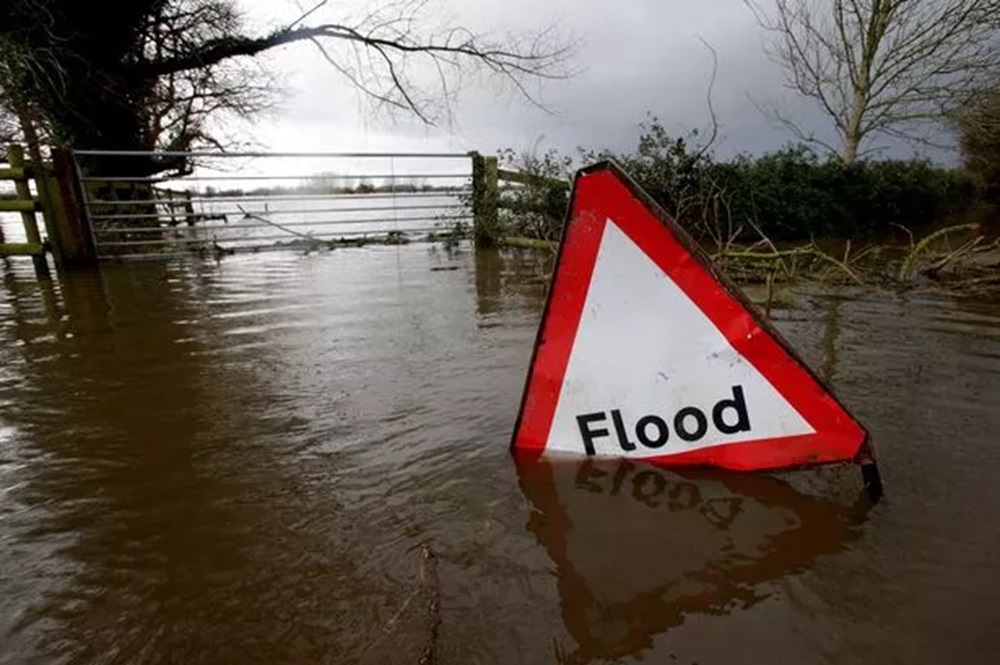
Welcome to this in-depth analysis of flood impacts from a Thai-Australian perspective. You will journey into the heart of Thailand and Australia to unpack how floods wreak havoc, while also exploring effective flood management techniques, economic consequences, and environmental aftermaths. This exploration also serves as a springboard for discussing the future of collaborations between the two nations in managing flooding.
Flood Impacts: Thailand
Floods in Thailand are not just occasional natural disasters but rather frequent phenomena that everyone must learn to live with. They visit all parts of this Southeast Asian country, often with devastating effects. Homes succumb to crashing waves, dragging families into a cycle of lost assets and rebuilding.
Floods also impact transportation infrastructure; roads disappear under water while bridges collapse. This paralyzes movement, leaving communities cut off from basic amenities like food, clean water and healthcare. The shutdown also stalls business operations and disrupts supply chains within the local economy.
Climate and Geography
Thailand’s susceptibility to floods is largely determined by its geographical location and climate. Nestled just above the equator, it experiences a tropical monsoon climate characterized by heavy rains during the monsoon season from approximately June through October.
The copious rainfall saturates river basins leading to spillage onto flat low-lying areas particularly in the central plains around Bangkok. Mangrove forests that were once effective natural barriers against severe flooding have been massively depleted due to urban expansion and aquaculture, reducing capacity to absorb flood waters effectively.
Thailand’s Flood Management
Thailand struggles with seasonal flooding, despite government efforts to build dams and canals managing water flow. Flood-prone downstream settlements remain at risk. Recently, Thailand began using advanced technologies like satellite data and predictive computer modeling to forecast flooding further in advance.
This gives vulnerable communities extra time to prepare. However, Thailand still faces challenges balancing upstream development and downstream protection. Further investments in prediction, monitoring, and community-level flood preparation are key to minimize seasonal damage.
Human Impacts in Thailand
Thailand frequently faces devastating floods that deeply impact local communities. Beyond causing physical damage, the floods create mental strain on residents. The uncertainty of when the next flood might strike provokes anxiety, especially for those living through recurrent disasters.
Moreover, the floods severely hamper education. Schools sometimes transform into emergency shelters or close entirely owing to flooded roads. The resulting interruptions impede students’ academic progress through the loss of vital learning opportunities.
Overall, floods in Thailand exact both an emotional and educational toll, two wounds that may prove even more long-lasting than physical destruction. Resilience requires providing mental health resources alongside rebuilding infrastructure to weather the next storm.
Economic Consequences in Thailand
Flood impact on Thailand’s economy is significant. It destroys agricultural lands – a key pillar of Thailand’s economy with farming either delayed or canceled – leading to falling yields and affecting exports like rice. Flood damage also extends to other sectors like tourism, manufacturing and retail, collectively resulting in substantial economic losses.
These economic hits directly translate into increased national debt levels from reconstruction efforts and borrowing based loans from the International Monetary Fund or World Bank.
Environmental Aftermath in Thailand
In addition to immediate visible damage, floods also have long-term environmental effects. They trigger land erosion washing away topsoil rich with nutrients while depositing sediments that harm marine ecosystems downstream.
Floodwaters coursing through urban areas collect pollutants such as chemicals and waste which affects quality of both soil and water. This widespread contamination has dire implications for biodiversity and human health.
Aus-Thai Collaborative Solutions
There is potential for Thai-Australian collaborations to develop innovative solutions to mitigate flood impacts. Australia, known for efficient disaster management, could share its successful strategies such as adopting ‘Floodplain Risk Management’, and data collection methods using real-time remote sensing technologies. You can learn more at Water Damage Specialist about solutions to flooding.
Engaging bilateral scientific exchange programs could not only equip Thailand with more effective handling mechanisms but it could also offer Australia a chance to learn from Thailand’s own innovative practices in areas like community-based disaster risk management.
Flood Impacts: Australia
In Australia, floods also play a significant role in shaping the country’s landscape and communities. Though less frequent than in Thailand, when they do occur, their impacts can be equally devastating. Families lose their homes to deadly floodwaters, while local businesses grapple with immediate and long-lasting financial losses.
With Australia’s diverse geographical features ranging from arid plains to lush rainforests, the types and severity of floods vary drastically across regions. Be it flash floods in urban areas after quick downpours or river floods in rural regions, each type presents unique challenges affecting Australian lives significantly.
Australia’s Varied Ecosystems
Australia’s varied ecosystems play a considerable role in flood dynamics. The country’s vast desert interior known as the ‘Outback’ experiences infrequent but heavy rains causing flash floods. Coastal areas are more prone to river flooding due to higher rainfall and extensive river systems.
These differing ecosystems both influence and are influenced by floods. While vegetation in arid regions helps absorb rainfall reducing flood magnitude, areas devoid of adequate vegetation cover become susceptible to soil erosion exacerbating flood severity.
Flood Management in Australia
In Australia, managing floods involves both government entities and communities working together. Strategies like building flood levees or floodways align with restructuring urban drainage systems. Flood forecasting and early warning systems also play an essential role in Australian flood management practices.
Moreover, local communities participate actively in creating preparedness plans that include evacuation procedures and flood education initiatives. This approach supports community resilience and reduces dependence on external aid during a major flood event.
Australian Human Impacts
Thousands of Australians are affected each year by floods, with impacts ranging from immediate physical danger to longer-term social implications. Oftentimes, those displaced by flooding must live in temporary accommodation for extended periods, leading to increased levels of mental stress and anxiety.
Additionally, these displacements disrupt daily routine activities like work and school, leading to reduced economic productivity and educational hindrances.
Economic Impact in Australia
With vast stretches of agricultural land and a thriving tourism industry, floods can have disastrous effects on Australia’s economy. Flooding ruins crops and livestock leading to supply shortages which skyrocket food prices. Also, flood-stricken regions curb tourists, affecting the revenue of businesses reliant on tourism.
The cost of clean-up operations after flooding is also momentous, often straining governmental budgets putting additional pressure on Australia’s overall economy.
Environmental Ramifications in Australia
The environmental ramifications of flooding in Australia are significant too. Flash floods often lead to substantial soil erosion, reducing the fertility of lands making them unsuitable for agriculture. Additionally, flood waters gather pollutants along their path contaminating water bodies as well as terrestrial habitats downstream.
Moreover, extreme floods could cause death or displacement of native flora and fauna impacting local biodiversity.
Addressing Damage with Specialists
In the aftermath of serious flooding events, Australia often turns to restoration experts to help assess and repair the damage. Experts ranging from environmental scientists to economic analysts provide data-driven insights to restore normalcy.
They aid in making informed decisions for effective resource allocation towards rebuilding infrastructures, restoring ecosystems or providing aid packages to affected individuals.
Conclusive Insights
This analysis of Thai-Australian flood impacts paints a picture of contrasting yet connected disaster landscapes. Both nations, despite their geographical, climatic and socio-economic differences, are bound together by the common thread of frequent floods. By leveraging their unique strengths and shared lessons, they can support each other in devising more effective strategies – thus navigating towards a resilient future seamlessly.

Learning
First-Time Buyer’s Guide to the UK Property Market

Entering the UK property market as a first-time buyer can feel both exciting and daunting. The process is filled with potential pitfalls and complex decisions, but with the right guidance, it can be navigated smoothly. The estate agents in Yorkshire demystify the journey from the initial decision to buy a home to the moment you step over the threshold of your new property.
Understanding Your Financial Position
The first and perhaps most crucial step in the home-buying process is understanding your financial situation. This includes assessing your savings, income, and current debts. Here’s how you can prepare:
1. Deposit: Generally, you’ll need at least 5% of the property price as a deposit, though aiming for 10% or more can provide better mortgage rates.
2. Income and Expenses: Use a budget planner to assess your monthly income against your expenses. This will help you understand how much you can afford in monthly mortgage repayments.
3. Credit Score: Lenders will evaluate your credit score to determine your mortgage eligibility. So it’s important to have a good credit score, and you should work on it if required.
4. Mortgage Options: Speak to a mortgage advisor to understand different types of mortgages, such as fixed-rate, variable-rate, and help-to-buy schemes.
Getting a Mortgage Agreement in Principle
A Mortgage Agreement in Principle (AIP) is a statement from a lender indicating how much they’ll likely lend you. You will be a more attractive buyer with an AIP as it shows sellers you’re serious and financially prepared.
Deciding What You Want
Before you start viewing properties, it’s essential to know what you’re looking for. Consider the following factors:
1. Location: Proximity to work, schools, public transport, and amenities are key. Research neighbourhoods to find the best fit for your lifestyle.
2. Property Type: Decide whether you want a flat, terraced house, semi-detached, or detached property. Each has its pros and cons.
3. Must-Haves: Make a list of non-negotiables, such as the number of bedrooms, garden size, and parking facilities.
4. Future Proofing: Consider your future needs. Are you planning to start a family? Do you need space for a home office?
Starting the Property Search
With a clear idea of what you’re looking for, you can begin your property search. Here are some tips:
1. Use Online Portals: Websites like Rightmove, Zoopla, and OnTheMarket are excellent starting points. Set up alerts to get notified of new listings that meet your criteria.
2. Visit Estate Agents: Register with local estate agents who can provide insights into the market and inform you of new properties before they’re listed online.
3. Attend Viewings: Don’t rush this part. Visit several properties to get a feel for what’s available in your price range.
Making an Offer
Once you find a property you love, it’s time to make an offer. Here’s how to approach it:
1. Research: Check the selling prices of similar properties in the area to gauge a fair offer.
2. Negotiate: Don’t be afraid to negotiate. The starting point is most usually the asking price.
3. Conditions: You might include conditions in your offer, such as the inclusion of certain fixtures or a specific moving date.
The Legal Process
If your offer is accepted, the legal process begins. You’ll need a solicitor or licensed conveyancer to handle the legalities. Here’s what to expect:
1. Conveyancing: This is the legal transfer of property ownership. Your solicitor will handle this, including conducting searches, dealing with the Land Registry, and transferring the funds.
2. Surveys and Inspections: Arrange for a property survey to check for structural issues. There are different types of surveys, from basic condition reports to full structural surveys.
3. Mortgage Finalisation: Once the survey is complete and satisfactory, your mortgage can be finalised.
4. Exchange of Contracts: This is when the sale becomes legally binding. You’ll pay your deposit at this stage.
5. Completion: On the agreed completion date, the remaining money is transferred, and you receive the keys to your new home.
Moving In
Moving day can be hectic, but planning can ease the stress:
1. Hire a Removal Company: Book a reliable removal company well in advance. Discover the best deals by getting quotes from multiple companies.
2. Pack Strategically: Label your boxes by room and keep essential items accessible.
3. Notify Utilities and Change Address: Inform your utility providers of your move date and update your address with banks, the DVLA, and other important institutions.
Settling In
Get settled. Introduce yourself to the neighbours, familiarise yourself with the local area, and really start to make the place your own.
Here are a few final tips:
1. Safety Checks: Make sure that your smoke alarms and carbon monoxide detectors are working, and make sure that you know where the gas and electricity meters are located.
2. Maintenance Plan: Keep a record of the smooth functioning of your new home with a maintenance schedule, complete with regular checks and seasonal tasks.
3. Personal Touches: Add personal touches to make the space feel like home. This can be from putting up family photos or redoing the decoration in your rooms.
Conclusion
Buying your very first home in the UK is most definitely a milestone, difficult and full of challenges but rewarding in the end. Such a philosophy guides you in understanding finances and knowing what you want to achieve from detailed research, and seeking professional advice that confidently helps you navigate the property market. Yes, the journey may have its hurdles, but in the end—owning your own home—the reward will be worth the effort. Welcome to your new chapter!
SEE ALSO: Conquer the Chaos: Hacks to Clean Your Home in Half the Time
Learning
5 Health Benefits of Regular Pedicures

There’s nothing quite like a pedicure to keep your feet looking and feeling their best, but did you know that pedicures do more than simply enhance the appearance of your feet? Many people don’t realize that regular pedicures can come with a wide range of health benefits that can promote the well-being of your feet, so here are some ways that your routine pedicure keeps both your toenails and feet in the best condition possible!
Smoother Skin
One of the biggest misconceptions about pedicures is that they only cater to and look after your toenails. While you’ll definitely be leaving each session with a fresh coat of nail polish, your pedicure can also do wonders for the health of your skin. Aside from trimming and shaping your nails and cuticles, you’ll notice that your nail technician also dedicates a few steps to the skin of your feet.
After inspecting your feet and looking for any issues or imperfections that may need to be addressed, your technician will work on an exfoliating scrub to remove any dead skin cells. This step may also be aided by a foot file, which can be used to buff away any calluses and other problem areas manually.
Softer Skin
After your nail technician addresses all the problem areas of your feet and removes any unwanted dead skin cells, he or she will often massage in a moisturizing product, such as lotion, cream, or butter, to ensure that your skin is properly moisturized. These products contain skin-loving ingredients that will ensure that your feet have everything they need to look and feel their best so that you can walk out of your pedicure with a renewed sense of confidence.
Healthier Nails
After your pedicure session, your nails will not only look better due to the fresh coat of nail polish, but they’ll also be healthier and stronger. This is because your nail technician takes their time to ensure that your nails are properly looked after through steps that include deep cleaning, nail trimming, nail filing, and cuticle care. All of these things work together to prevent issues like ingrown nails from occurring, all the while improving the appearance of your nails.
Increased Blood Circulation
While the specific steps included in your pedicure will depend on the beauty salon, most pedicures will have a massage step somewhere in the mix. One of the often overlooked benefits of these massages is the increased blood circulation, which can deliver more nutrients and oxygen to your feet and nails, promoting their health and appearance. Aside from that, better blood flow means reduced tension and soreness, as well as better distributed heat throughout your body.
Reduced Infections
A significant amount of dirt and bacteria can build up on your feet without you even realizing it, but pedicures can be a great way to prevent these from happening in the first place. The exfoliation step of a pedicure removes dead skin cells as well as all the debris that may have accumulated underneath, and the deep cleaning of your toenails and cuticles also gets rid of any impurities that may have slipped beneath them, which can stop infections from happening.
These are some of the many health benefits that you can look forward to at your next pedicure appointment. However, it’s worth noting that you need to book regular sessions to truly reap all the rewards. This can be difficult, especially when you don’t feel like driving to your nearest nail salon after a long day, but the good news is that you can enjoy the salon experience in the comfort of your own home with a home pedicure service.
Learning
Commercial Boiler Installation Services London

For businesses in the bustling city of London, having a reliable heating system is crucial. Whether you’re opening a new office, expanding your current premises, or simply upgrading an outdated system, commercial boiler installation services for businesses in London are essential to ensure your operations run smoothly and efficiently. Proper installation and maintenance of commercial boilers can make a significant difference in energy efficiency, cost savings, and the overall comfort of your workspace.
The Importance of Professional Installation
When it comes to installing a commercial boiler, professional expertise is paramount. Here’s why:
- Efficiency and Performance: Professional installation ensures that your boiler operates at peak efficiency, reducing energy consumption and lowering utility bills. A well-installed boiler can effectively meet the heating demands of your business without unnecessary energy waste.
- Safety: Commercial boilers are complex systems that require precise installation to operate safely. Professional installers adhere to stringent safety standards and regulations, minimizing the risk of accidents and ensuring the safety of your employees and premises.
- Compliance with Regulations: Commercial properties are subject to various building codes and regulations. Professional installers are well-versed in these requirements and ensure that your boiler system complies with all local laws and standards.
- Longevity and Reliability: Proper installation is critical to the longevity and reliability of your boiler. A professional installation can prevent common issues such as leaks, pressure problems, and system failures, ensuring that your boiler runs smoothly for years to come.
Key Considerations for Commercial Boiler Installation
When planning for a commercial boiler installation, several factors need to be considered:
- Type of Boiler: The type of boiler you choose will depend on your business’s specific needs. Options include gas boilers, oil boilers, and electric boilers, each with its own set of advantages. Consulting with a professional can help you determine the best choice for your business.
- Sizing and Capacity: The boiler’s size and capacity must match the heating demands of your commercial space. An undersized boiler will struggle to meet your needs, while an oversized one will lead to inefficiencies and higher costs.
- Location: The placement of your boiler affects its efficiency and accessibility for maintenance. Professional installers can help you choose the optimal location for your boiler.
- Integration with Existing Systems: If you’re upgrading or replacing an existing boiler, it’s essential to ensure compatibility with your current heating system. Professional installers can seamlessly integrate the new boiler with your existing setup.
Choosing the Right Installation Service

Selecting the right installation service provider is crucial to the success of your boiler installation project. Consider the following when making your choice:
- Experience and Expertise: Look for a provider with a proven track record in commercial boiler installations. Experienced installers can handle the complexities of commercial systems and provide high-quality workmanship.
- Reputation: Check reviews and testimonials from previous clients to gauge the provider’s reliability and customer satisfaction.
- Comprehensive Services: Choose a provider that offers a full range of services, including installation, maintenance, and repair. This ensures that all your boiler needs are met by a single, trusted source.
In London, ROWLEN is a reputable name known for delivering top-notch commercial boiler installation services. Their team of experts is dedicated to providing efficient, safe, and compliant installations tailored to the unique needs of businesses.
Conclusion
Investing in professional commercial boiler installation services for businesses in London is essential for ensuring efficiency, safety, and long-term reliability. By choosing an experienced and reputable service provider like ROWLEN, you can rest assured that your heating system will be installed correctly and maintained to the highest standards. Proper installation not only enhances the performance of your boiler but also contributes to the overall comfort and productivity of your business environment.
SEE ALSO:
-

 News4 years ago
Let’s Know About Ultra High Net Worth Individual
-
Entertainment3 years ago
Mabelle Prior: The Voice of Hope, Resilience, and Diversity Inspiring Generations
-
News11 years ago
Enviromental Groups Tell Mekong Leaders Lao Dam Evaluation Process Flawed
-

 Health4 years ago
How Much Ivermectin Should You Take?
-

 Tech3 years ago
Top Forex Brokers of 2023: Reviews and Analysis for Successful Trading
-

 Lifestyles3 years ago
Aries Soulmate Signs
-

 Entertainment3 years ago
What Should I Do If Disney Plus Keeps Logging Me Out of TV?
-

 Health4 years ago
Can I Buy Ivermectin Without A Prescription in the USA?